
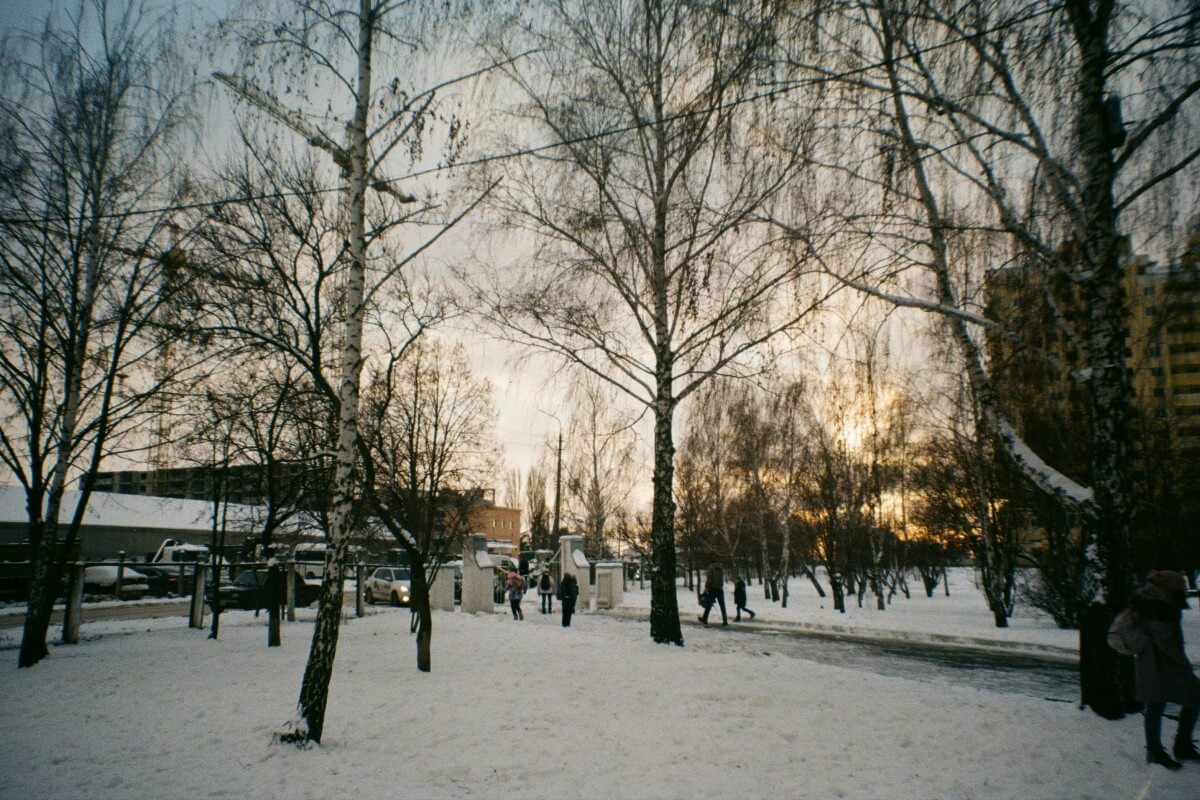
Why Seasonal Event Planning Matters
Every successful event begins with thoughtful preparation; but one factor that even the best event management teams cannot ignore is weather. Whether you’re organizing an intimate gathering, a large corporate conference, or an outdoor festival, seasonal event planning ensures your event is aligned with the climate, guest comfort, and seasonal trends.
For event planners, leveraging seasonal weather is more than just avoiding rain or heat; it’s about transforming seasonal opportunities into unforgettable guest experiences. In San Francisco, Las Vegas, and beyond, planning events by season helps you maximize ambiance, minimize risks, and align your event’s theme with nature’s rhythm.
In this guide, we’ll explore strategies, seasonal event tips, and expert insights on how to make the most of seasonal trends in event planning, while keeping in mind weather considerations for event planning that elevate every celebration.
Understanding Seasonal Event Planning
Seasonal event planning is the art of aligning your event’s timing, design, and execution with seasonal patterns. Rather than viewing weather as a challenge, event planners treat it as a strategic advantage.
- Spring offers renewal, fresh decor, and floral-driven themes.
- Summer provides long daylight hours and opportunities for vibrant outdoor events.
- Fall brings cozy, harvest-inspired gatherings.
- Winter lends itself to elegant, holiday-focused themes.
By studying seasonal trends in event planning, planners craft experiences that feel natural, immersive, and memorable for guests.
The Role of Weather in Event Management
Weather directly influences:
- Venue choice: Indoor vs. outdoor event planning.
- Guest experience: Comfort in temperature, shade, and ambiance.
- Logistics: Catering, decor, entertainment, and lighting choices.
Expert event management takes a proactive approach, incorporating weather considerations in event planning from the start. Whether you’re considering weather event planning for San Francisco’s microclimates or spring events in Las Vegas, understanding your local climate sets the stage for success.
Spring Events: Fresh Starts and Vibrant Outdoor Gatherings
Spring events Las Vegas and San Francisco offer mild weather, blossoming flowers, and longer days-making it a perfect season for:
- Corporate picnics with fresh, seasonal menus.
- Outdoor events like concerts, charity runs, and product launches.
- Seasonal events such as Easter-themed or spring festival gatherings.
Seasonal Event Tips for Spring
- Use floral decor and garden-style seating.
- Leverage longer daylight hours for outdoor networking.
- Prepare for occasional spring showers with tent rentals and contingency plans.
Spring represents renewal, making it one of the best times for events focused on innovation, launches, and celebrations of growth.
Summer Events: Long Days, High Energy
Summer is synonymous with outdoor event planning at its peak. Festivals, beachside weddings, rooftop parties, and large-scale corporate gatherings thrive in warm weather.
Key Benefits of Summer Event Planning
- Extended daylight allows for flexible schedules.
- Seasonal menus offer refreshing cocktails, seafood, and chilled desserts.
- Vibrant seasonal decor opportunities (bright colors, tropical themes).
Challenges to Manage
- Heat management with hydration stations and shaded seating.
- Evening insect control for open-air venues.
- Proper AV setups for bright lighting conditions.
By leveraging seasonal weather, summer events create high-energy experiences perfect for branding, team building, and celebration.
Fall Events: Warm Colors and Cozy Experiences
Fall is often overlooked but it’s one of the best times for events thanks to its balance of mild weather and natural beauty.
Why Fall Works for Seasonal Event Planning
- Rich harvest themes, cozy lighting, and rustic decor.
- Seasonal menus highlighting warm drinks, pumpkin flavors, and comfort foods.
- Ideal weather for both indoor and outdoor events.
Fall lends itself to seasonal events like:
- Oktoberfest celebrations.
- Thanksgiving corporate dinners.
- End-of-year planning retreats.
Seasonal event tips: Play into the natural color palette and create cozy lounge-style areas for networking.
Winter Events: Elegance, Holidays, and Indoor Luxury
Winter requires weather event planning more carefully since temperatures drop and daylight shortens. Still, winter provides an unmatched opportunity for:
- Holiday parties.
- Luxury gala dinners.
- Indoor conferences and conventions.
Why Winter is Powerful for Event Planning
- Guests expect festive, formal atmospheres.
- Venues often offer off-season pricing for indoor events.
- Seasonal decor: twinkling lights, elegant linens, and holiday themes: creates a magical environment.
For corporate clients, winter becomes the best time for events tied to celebration, appreciation, and year-end achievements.
Best Time for Events in San Francisco and Las Vegas
San Francisco
- Spring and fall are ideal for outdoor events, thanks to mild temperatures.
- Summer often brings fog, making indoor or hybrid setups important.
- Winter offers cozy indoor venues with iconic city views.
Las Vegas
- Spring events in Las Vegas are especially popular with near-perfect temperatures.
- Summer is hot, but rooftop evenings and poolside parties thrive.
- Fall and winter are great for conventions and luxury indoor gatherings.
If you’re searching for an event planner in Las Vegas, look for expertise in tailoring themes to these seasonal differences.
Weather Considerations in Event Planning
Weather can be unpredictable, but weather considerations in event planning reduce risks:
- Always have a backup venue or tenting option.
- Work with vendors who specialize in outdoor event planning.
- Use event technology apps to keep guests updated on changes.
- Consider insurance for seasonal events in unpredictable climates.
Proactive planning ensures smooth execution even if weather surprises you.
Tips for Outdoor Event Planning Success
Outdoor gatherings are among the most memorable: but also the most dependent on weather. Here are proven seasonal event tips for success:
- Timing is everything: Pick the best time for events seasonally to avoid extremes.
- Comfort comes first: Shade, hydration, and seating enhance guest experience.
- Lighting strategy: Sunset timings matter; plan AV accordingly.
- Decor alignment: Use seasonal elements like florals in spring or lanterns in fall.
- Engagement extras: Outdoor games, live entertainment, and seasonal menus add flair.
Why Partner with a Professional Event Planner
Professional planners bring experience in event management, seasonal event planning, and crisis mitigation. With expertise in both San Francisco and Las Vegas outdoor events, they:
- Anticipate seasonal challenges.
- Provide creative seasonal event ideas.
- Negotiate with venues and vendors.
- Ensure guest comfort and smooth logistics.
If you want seamless execution, working with an experienced event planner Las Vegas or San Francisco partner ensures weather never ruins your event.
Conclusion
When it comes to seasonal event planning, weather works in your favor if you plan smartly. From spring events Las Vegas bursting with energy to cozy fall gatherings in San Francisco, every season offers opportunities to create unforgettable moments.
The key lies in planning events by season, considering local climate, and working with experienced professionals who know how to turn seasonal challenges into advantages.
Ready to plan your next seasonal event in San Francisco or Las Vegas? Contact Event Solutions SF today and let our expert planners design an event that thrives-rain or shine.
FAQs on Seasonal Event Planning
Q1. What is seasonal event planning?
Ans: Seasonal event planning is the process of aligning your event with seasonal weather, decor trends, and guest expectations to enhance the overall experience.
Q2. What’s the best time for outdoor events?
Ans: Spring and fall are typically the best times for events in San Francisco and Las Vegas, offering pleasant weather and fewer climate risks.
Q3. How do I handle bad weather at an outdoor event?
Ans: Always plan for tents, indoor alternatives, and have a strong weather event planning strategy with vendors.
Q4. Are seasonal events more cost-effective?
Ans: Yes-some seasons offer off-peak pricing for venues, decor, and catering.
Q5. Do I need a professional event planner?
Ans: While DIY is possible, a professional ensures smooth event management, saving you stress and delivering a polished guest experience.