

Planning team building activities San Francisco teams will genuinely show up for is easier when the options feel like real experiences, not awkward “mandatory fun.” San Francisco makes it simple to build a great day because the city already brings the vibe: iconic neighborhoods, great food, and venues that make a normal afternoon feel special. Great team building activities San Francisco plans usually come down to two things: a clear schedule and a fun format.
How to choose with no overthinking
The best team building activities San Francisco are the ones that match your team’s vibe and your schedule. You do not need a complex framework. You need a few quick decisions, then you can pick confidently.
1) Pick a vibe
Choose one vibe and commit. Mixing too many vibes is how team building activities San Francisco start to feel messy.
- Chill and social: food crawl, casual game night, gallery-style prompts
- Competitive but friendly: trivia, game show rounds, city hunt
- Creative and hands-on: maker workshop, mural, build challenge
- Foodie: cooking class, dumpling-making, chocolate or coffee tasting
- Give-back: volunteer plus a relaxed meal
These vibes are also a clean way to choose creative team building activities without making the day feel like training.
2) Match the moment
Different moments need different energy. The best team building activities San Francisco fit the week your team is having.
- A new team usually needs light conversation starters and low pressure.
- A team after a big deadline needs something that feels like a reward.
- A cross-functional group needs an activity where everyone contributes without specialized knowledge.
3) Choose your “why” in one sentence
A good planner question is: “What do we want to be easier next month?”
- For team building activities that improve communication, choose formats with clear handoffs and quick sharing.
- For team building activities that build trust, choose formats that feel safe and create small wins.
- For problem solving team building activities, choose puzzles, challenges, or prototypes with time limits.
Pick by time – so planning is easy
Time is the real constraint for most team building activities San Francisco. Use this section to get to a short list fast.
45–60 minutes (best for meetings + workshops)
- Lightning trivia (3 rounds, rotating captains)
- Two-minute show-and-tell (structured, not awkward)
- Mini build challenge (tower or bridge)
- Speed “this-or-that” team debate (light, low pressure)
2 hours (most popular slot)
- Escape room sprint
- Game show night
- Indoor scavenger hunt at a venue
- Maker workshop with a finished takeaway
- Neighborhood photo quest in one compact area
Half-day (stronger memories)
- City hunt with checkpoints + a wrap-up meal
- Cooking class cook-off with judging
- Volunteer + celebration meal
- Park-based mini games with an indoor after-party
Full day (offsite energy)
- Amazing race style day with neighborhoods + a dinner finish
- Multi-activity “festival” (pods rotate through stations)
- Creative workshop + food crawl + low-key evening social
Copy-and-paste agendas
These templates keep team building activities San Francisco feeling organized, not chaotic. You can use the structure with almost any format.
2-hour agenda (simple and smooth)
- 0:00–0:10 Welcome, teams, and one rule: “keep it friendly”
- 0:10–1:30 Main activity (escape room, trivia, game show, workshop)
- 1:30–1:50 Snack break and quick photo
- 1:50–2:00 Wrap-up question: “What was one good team move we should repeat at work?”
Half-day agenda (best balance)
- 0:00–0:10 Kickoff and goal of the day (one sentence)
- 0:10–2:10 Main activity (hunt, cook-off, workshop)
- 2:10–2:40 Food break
- 2:40–3:40 Short second activity (game show rounds or a mini challenge)
- 3:40–4:00 Wrap-up + next step (one tiny habit the team will try)
Full-day agenda (offsite that does not drag)
- Morning: one flagship activity (city hunt, amazing race, volunteer)
- Midday: meal and a relaxed social window
- Afternoon: creative workshop or team challenge in pods
- Evening: optional casual finish (food crawl or dessert stop)
This structure keeps team building activities San Francisco fun because energy rises and falls naturally through the day.
Pick by Neighborhood
When people search for team building activities San Francisco, they often mean “something close to where we already are.” These shortcuts help you pick fast.
- Downtown / SoMa: quick indoor games, escape rooms, and team building activities San Francisco that start on time between meetings
- Waterfront: short photo quests with sheltered checkpoints, then an indoor finish for team building activities San Francisco that stays comfortable
- Golden Gate Park / Richmond: picnic basecamp plus light challenges for team building activities San Francisco that feel outdoorsy without turning into a hike
Budget and planning, in plain terms
The budget does not need to be complicated. Most team building activities San Francisco plans land in a few simple shapes, and the right spend makes team building activities San Francisco feel effortless.
- Low budget: self-run games, a simple venue, snacks, and a facilitator-style host
- Mid budget: guided activity plus food, plus a reserved space
- Higher budget: premium venue, multiple activities, transport help, and full event management
If you are planning corporate team building in San Francisco, spend money on the parts that reduce friction: a good host, clear timing, and a venue that keeps the group together. Fancy extras are optional. Smooth logistics are not, especially for team building activities San Francisco teams do mid-week.
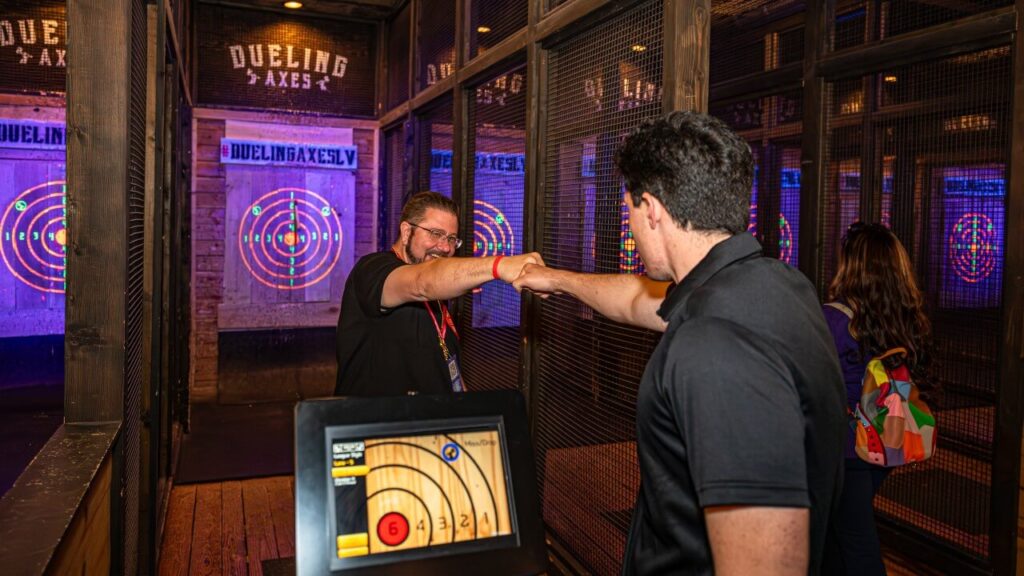
25 fun activity ideas
Below are team building activities San Francisco that feel like real outings. Each idea is written in a practical way: what happens, who it fits, and why it works.
City + Neighborhood experiences
Neighborhood Photo Quest
What happens: teams complete photo prompts like “bold typography,” “a hidden view,” and “unexpected color,” then present a 60-second story.
Best for: mixed groups and new teams.
Why it works: shared prompts create instant conversation without forcing personal disclosure.
City Scavenger Hunt (with food stops)
What happens: teams solve clues, complete quick challenges, and collect points, then finish at a reserved spot for snacks.
Best for: half-day outings and high-energy teams.
Why it works: teamwork happens naturally because people split roles and coordinate.
Murals and Bites Route
What happens: a curated walk with short prompts, small team tasks, and a “best bite” vote.
Best for: teams that want something social and low friction.
Why it works: the route creates structure, so people do not need to make small talk the whole time.
Waterfront Mini Quest
What happens: teams rotate through quick challenges at sheltered checkpoints, then finish indoors for a wrap-up.
Best for: groups that want outdoor vibes without a full outdoor commitment.
Why it works: the city becomes the backdrop, not the main workload.
Downtown “Clue Walk”
What happens: teams solve short puzzles and photo prompts in a tight loop, then do a quick share-out.
Best for: teams staying near hotels or conferences.
Why it works: it fits into a busy schedule and still feels like an event.
Classic crowd-pleasers
Escape Room Sprint
What happens: run one room or multiple rooms, then compare strategies and celebrate the best “aha” moment.
Best for: problem solving and role clarity.
Why it works: it is one of the easiest team building activities San Francisco to execute with a clear finish.
Game Show Night
What happens: short rounds, rotating captains, buzzer energy, and simple prizes.
Best for: large groups and mixed seniority.
Why it works: quick rounds keep momentum and reduce awkward downtime.
Themed Trivia (SF edition)
What happens: rounds about neighborhoods, food, music, tech history, and custom team questions.
Best for: teams that want friendly competition.
Why it works: everyone can contribute because knowledge is shared across the group.
Modern Board Game Tournament
What happens: choose games that reward teamwork, then rotate tables every round.
Best for: introvert-friendly fun.
Why it works: structure replaces forced conversation.
Mini Olympics (low-contact)
What happens: stations like beanbag toss, puzzle relay, and “build-and-carry” challenges.
Best for: teams that want movement without high athleticism.
Why it works: station rotation keeps everyone engaged.
Foodie favorites
Chopped-Style Cook-Off
What happens: teams cook with mystery ingredients, then do a quick tasting and vote.
Best for: teams that want a reward-feeling event.
Why it works: roles are naturally clear (prep, cook, plate, presenter).
Cooking Class (collaboration edition)
What happens: a guided class where teams own specific dishes and coordinate timing.
Best for: cross-functional teams.
Why it works: it feels like entertainment, but collaboration is real.
Dumpling or Pasta Making
What happens: teams build, fold, and plate together, then eat together.
Best for: relaxed bonding.
Why it works: hands stay busy, so conversation flows.
Coffee Cupping and Blend Lab
What happens: guided tasting, then team name and pitch a “team blend.”
Best for: shorter events.
Why it works: tasting prompts make participation easy.
Mocktail Lab
What happens: teams design a signature mocktail and pitch the name and story.
Best for: creative confidence and laughter without silliness.
Why it works: everyone can contribute, even without “mixology skills.”
Creative and hands-on
Maker Workshop
What happens: ceramics, candles, printmaking, or crafts with a finished takeaway.
Best for: teams that want calm focus.
Why it works: the result becomes a memory anchor after the event.
Team Mural (guided)
What happens: a guided group artwork with roles like sketch, fill, detail, and caption.
Best for: big groups.
Why it works: the output is shareable and the process feels cooperative.
Build-a-Bridge Challenge
What happens: simple materials, a clear constraint, quick showcase, quick vote.
Best for: teams that want light engineering energy.
Why it works: it is a fast way to run creative team building activities that still feels fun.
Pitch a “Silly Product” (professionally)
What happens: teams pitch a playful product with a serious format: name, audience, demo, pricing.
Best for: creativity and presentation practice.
Why it works: the format is safe because the focus is on the pitch, not the person.
Design a Pop-Up Event
What happens: teams build a concept for a pop-up, including theme, run-of-show, and guest journey.
Best for: planning-minded teams.
Why it works: it mirrors real collaboration without feeling like work.
Give-back options
Volunteer + Celebration Meal
What happens: a structured volunteer shift, then a meal with a short reflection prompt.
Best for: meaning + connection.
Why it works: shared purpose reduces awkwardness quickly.
Care-Kit Packing Party
What happens: teams pack kits in rounds, then build a “who it helps” story wall.
Best for: large groups and high participation.
Why it works: everyone can contribute at the same pace.
Park Cleanup + Photo Recap
What happens: quick cleanup, then teams create a before/after story in photos.
Best for: teams that want outdoors plus meaning.
Why it works: the recap makes the day feel complete.
Calm, inclusive options
Gallery Prompt Walk (indoors)
What happens: teams walk through a space with prompts, then share what they noticed.
Best for: mixed personalities and introverts.
Why it works: observation prompts make conversation easy.
Team Time Capsule
What happens: teams write notes and create small artifacts to open next year.
Best for: annual offsites.
Why it works: the value grows over time and creates a shared reference point.
Small groups vs large groups
For team building activities San Francisco with 6–12 people, choose formats where everyone participates together: cook-offs, workshops, board games, and storytelling circles. For team building activities San Francisco with 30–200 people, choose pod-based formats: hunts, races, game shows, and station rotations. Pods keep the experience social without long waiting time.
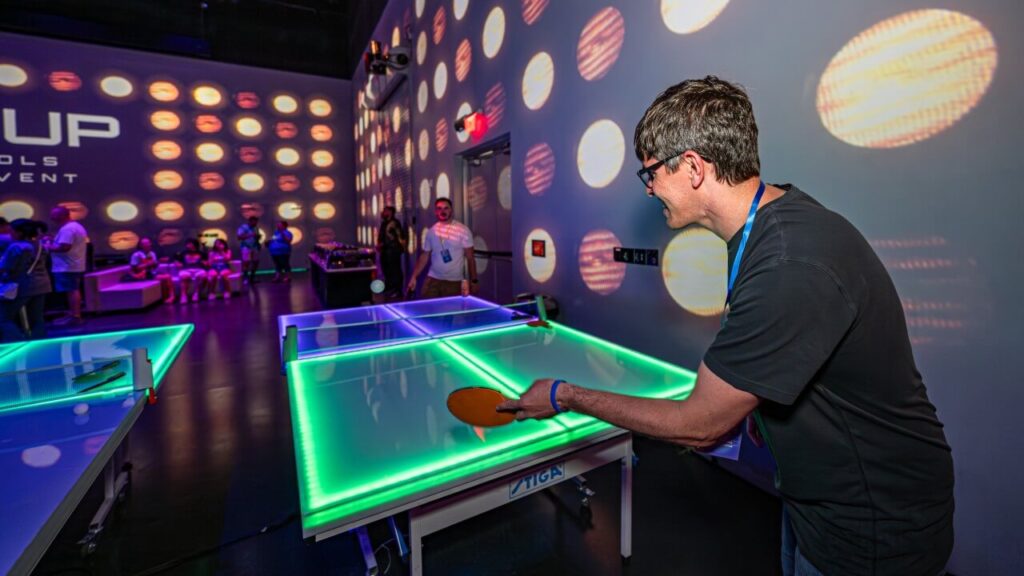
Indoor ideas
San Francisco weather can flip fast, and indoor planning removes a lot of stress. Indoor team building activities San Francisco planners choose most often are predictable, accessible, and easier for sound control.
- Creative workshops for teams San Francisco: ceramics, printmaking, candle making, guided art
- Indoor scavenger hunt inside a venue with stations and mini missions
- Puzzle lounge with multiple short challenges instead of one long challenge
- Cooking class with rotating roles and a short tasting finale
- Game show night with quick rounds and clear scoring
- Hands-on venue prompts where teams “collect clues” from exhibits
Outdoor ideas
Outdoor team building activities San Francisco teams enjoy work best when the route is short, the end point is clear, and there is an indoor fallback.
Golden Gate Park team building activities are reliable when you keep the plan simple: picnic basecamp, portable mini challenges, then a photo quest. For team building activities in the Mission District, a murals-and-bites route is a great way to keep energy up while staying low pressure.
Remote + Hybrid ideas
Virtual team building activities for San Francisco teams work best when they feel active, not like another meeting. Hybrid team building activities San Francisco teams can run are easiest when remote teammates have real roles instead of watching.
- Remote game show with short rounds and rotating hosts
- Virtual tasting (coffee or chocolate) with simple prompts
- Online escape room with clear team roles
- Hybrid scoreboard challenge: in-room and remote teams share one live scoreboard, then swap roles
Logistics – SF reality check
San Francisco rewards planners who get the basics right. Logistics matter for team building activities San Francisco because transit and weather can change the whole mood.
If your group is downtown, prioritize team building activities near Moscone Center so people can walk instead of drive. Give clear arrival instructions because parking and rideshare drop-offs can derail energy. If teammates commute from the East Bay, start near BART. If teammates commute from the Peninsula, avoid formats that punish Caltrain riders. Outdoor plans should always have a backup that still feels fun, not like a downgrade.
Key Takeaways
- The best team building activities San Francisco feel like experiences, not training sessions.
- Pick a vibe, match the moment, then choose one simple goal.
- Make the plan skimmable: quick picks first, then the full menu of options.
- Indoor options are predictable, and outdoor options need a real backup plan.
- Pods make large groups smoother. Full-group formats make small groups warmer.
- A short wrap-up question at the end makes the experience stick.
Conclusion
The team building activities San Francisco people remember have a clear shape. The start is easy, the experience has momentum, and the ending closes the loop with a short “what worked about how we teamed up” moment. That structure keeps the day fun while still making it feel worthwhile.
Event Solutions produces experiences that feel polished and easy to join, from city hunts to workshops to food-forward events. The goal is to make corporate team building in San Francisco feel like a great event, not a forced exercise.
FAQs
1. What are the best team building activities San Francisco teams can do in 2 hours?
Escape rooms, game show rounds, indoor hunts, and maker workshops fit best. Two-hour events work when the activity has clear rounds and a predictable finish.
2. What are the most fun team building activities in San Francisco for adults?
Cooking classes, mocktail labs, themed trivia, city photo quests, and modern board games usually land well because they feel like a real outing.
3. How do you keep corporate team building in San Francisco from feeling awkward?
Avoid surprise public speaking and overly personal prompts. Choose structured rounds and roles so people can participate comfortably. That approach is why entertainment-style corporate team building in San Francisco usually works better than “icebreaker-only” plans.
4. What should we pick for mixed fitness levels or accessibility needs?
Choose low-impact formats like indoor hunts, tastings, workshops, game show rounds, and board games. These are inclusive team building activities San Francisco because mobility is not a barrier.
5. What are good creative team building activities that still feel professional?
Maker workshops, mocktail labs, pop-up event design, and photo quests are reliable creative team building activities because the prompts are playful but the structure stays polished.